
Buying Guide
Best Bottle Case for Baby Bottles: A Parent's Buying Guide
What actually matters when choosing a bottle case for daily outings and travel in Pakistan — insulation, fit, cleaning, and what to skip.
5 min read
What a bottle case actually needs to do
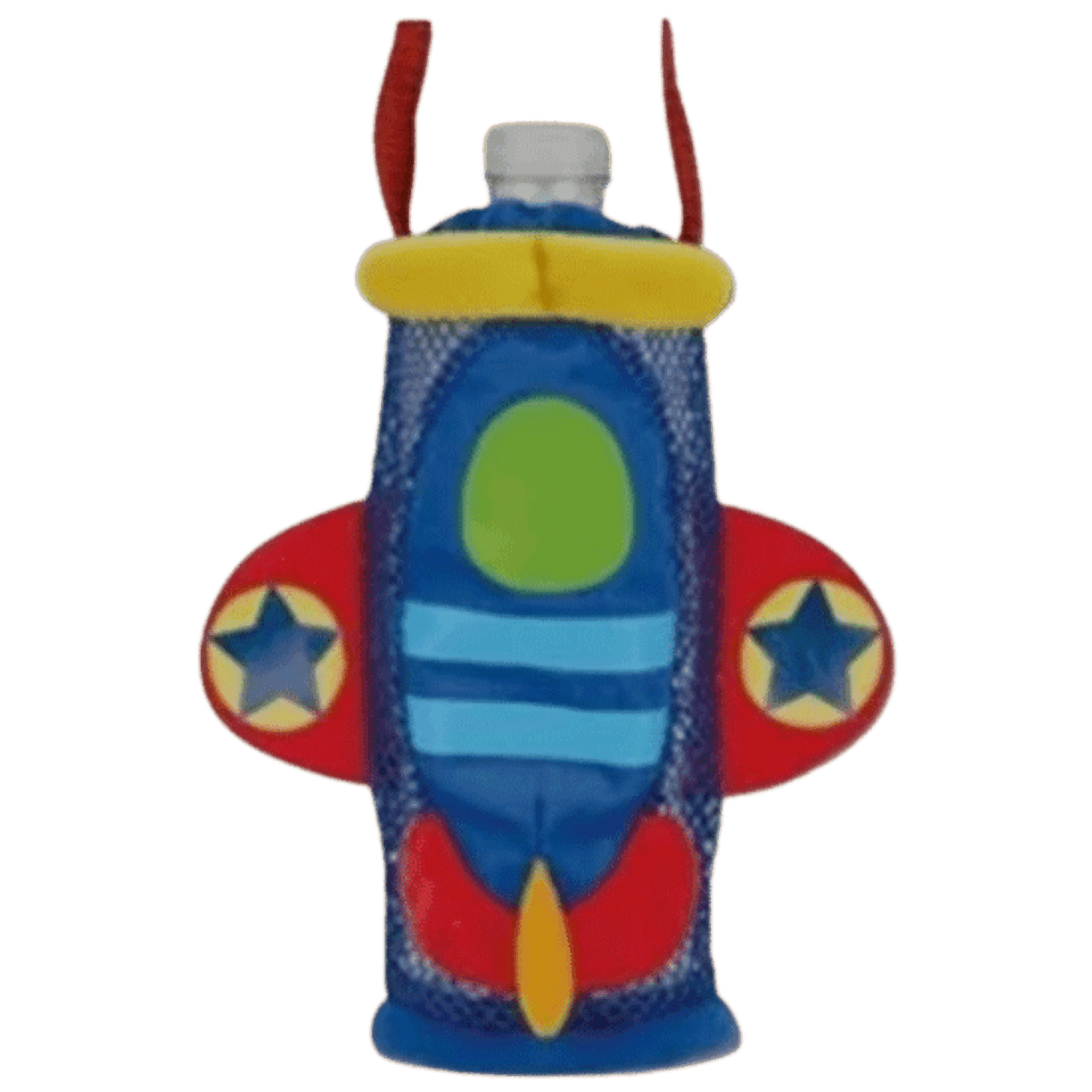
A bottle case has one real job: keep milk at a safe, steady temperature between home and wherever you're headed, while protecting the bottle from knocks in a diaper bag. Everything else — colour, print, extra pockets — is preference, not function.
Parents often buy based on looks first and regret it when the case can't hold the bottle shape they use, or when the lining starts smelling after a few weeks of milk spills. Start with function, then let aesthetics narrow the shortlist.
It also helps to think about where the case actually lives day to day — clipped to a pram, tossed into a diaper bag next to a food bag-style pouch of snacks, or sitting on a kitchen counter during a feed. A case that's easy to grab one-handed while holding a baby earns its place far more than one that just looks neat in a photo.
Insulation quality is the first decision
The inner lining is what determines whether milk stays cool on a 30-minute car ride in Lahore's June heat or a stroller walk in Karachi's humidity. Look for a case that feels padded and slightly stiff when empty, not floppy — floppy linings usually mean thin insulation that won't hold temperature for long.
Ask the seller directly over WhatsApp how the lining is built if the listing doesn't specify. A well-insulated case should also close snugly at the top; gaps at the zip or drawstring let warm air in no matter how good the inner layer is.
Keep in mind that insulation buys time, not indefinite safety — it slows temperature change, it doesn't stop it. For any feeding-safety questions, like how long prepared milk can sit before a feed, it's best to check with your paediatrician rather than rely on a bag's insulation as a guarantee.
Size and fit matter more than people expect
Bottle cases are usually built around a general bottle height and width, so check that your everyday bottle — wide-neck or standard — actually fits with the lid on before you commit. A case that's too tight makes daily use frustrating; one that's too loose defeats the insulation purpose because the bottle shifts and air pockets form.
If you carry two bottles for outings, look specifically for a case designed to hold a pair, rather than forcing one meant for a single bottle. This is one of the most common mismatches parents report after buying based on photos alone.
It's also worth thinking a step ahead: if you're still assembling your early feeding setup, a broader look at a newborn essentials checklist can help you see where a bottle case fits alongside everything else you'll actually use in the first months.
Matching the case to Pakistan's seasons and routine
Summer in Punjab and Karachi means milk warms faster in transit, so insulation matters more between April and September than in winter, when the main job is just protecting the bottle from bumps. In the cold north, a padded case also helps keep freshly warmed milk from cooling too quickly on the way out.
Load-shedding households have their own version of this problem indoors — a prepped bottle sitting out during a power cut benefits from the same insulated case you'd use for a walk outside. It's worth treating the case as a daily-use item, not just a travel accessory.
If you're weighing a bottle case against a broader insulated food bag for outings, this comparison of food bag vs bottle case breaks down which one actually fits your routine, especially if you're also managing solids or pumped milk on the go.
How to judge build quality before you buy
Check the zip first — it should glide without catching fabric, since a snagging zip is usually the first thing to fail with regular use. Run a finger along the inner seams; loose stitching or exposed edges near the lining will wear out faster once milk residue and washing enter the picture.
A removable or wipeable lining is a genuine convenience feature, not a luxury one — spilled milk left too long inside a case that can't be cleaned properly tends to hold odour. If the outer material looks like it can handle a quick hand-wash and shade-drying rather than needing dry-clean-only care, that's a good practical sign for daily Pakistani households.
Gentle wash recommended, dry in shade for longer-lasting softness — the same basic care habit most parents already use for baby clothes applies well to a bottle case's outer fabric, and it helps the colour and shape hold up over months of daily use.
What to skip when you're comparing options
Skip elaborate multi-pocket organisers if you only ever carry one or two bottles — extra compartments mostly mean extra weight in the diaper bag for no real benefit. Skip cases advertised mainly on print and colour with no real detail on the lining; that's usually a sign function was an afterthought.
You also don't need a giant cooler-style case for short outings. A compact, well-insulated case suited to your actual bottle count and typical trip length will serve you better day to day than an oversized one bought "just in case."
Buying with confidence
Because bottle cases vary so much in lining quality between listings that look similar in photos, it's worth asking specific questions before ordering — how the inside is padded, whether it fits a wide-neck bottle, and whether the lining is removable. Sellers who answer these clearly over WhatsApp are usually a good sign of a case that was actually designed for daily use, not just styled for a listing photo.
Cash on delivery is available nationwide with orders placed over WhatsApp, which makes it easier to confirm fit and lining details with the seller before the case reaches your door. It's still worth confirming the seller's exact terms directly, since policies can vary by order.
Frequently asked questions
- How many bottle cases does a family actually need?
Most parents manage well with one everyday case for outings and a second as backup for wash days or travel. Beyond that becomes rarely-used inventory rather than daily help.
- Does a bottle case keep milk warm as well as cool?
Insulated cases slow temperature change in both directions for a limited time, but they aren't a substitute for a flask or warming device. For anything beyond a short outing, plan to warm or store milk properly at your destination, and check timing guidance with your paediatrician if unsure.
- Can I wash a bottle case at home?
Most outer fabrics can be hand-washed and shade-dried; check if the lining is removable or wipeable first, since that affects how easy day-to-day cleaning will be.
- Will a bottle case fit any bottle brand?
Not always — bottle shapes and heights vary, so it's worth confirming your usual bottle fits with the lid on before ordering, especially if you use wide-neck bottles.
- Is cash on delivery available if I want to check the case first?
Little Smiles offers cash on delivery nationwide, with ordering handled over WhatsApp — it's best to confirm exact terms with the seller directly before placing your order.
Pieces mentioned here
Keep reading
Feeding
What Food Containers Are Safe for Storing Baby Food and Purees?
A practical guide to choosing safe, easy-to-clean containers for homemade baby purees, batch cooking, and daily feeding in Pakistani kitchens.
Buying Guide
Are Dino and Deer Print Bodysuits Safe and Comfortable for My Baby?
What makes printed bodysuits safe for babies in Pakistan's climate—fabric quality and care matter more than the cute design.