
Buying Guide
Best Feeding Cushion for Your Baby
A practical guide to choosing a feeding cushion that supports posture, comfort, and daily routine — what matters, what to check for quality, and what to skip.
4 min read
Why the right feeding cushion matters more than it seems
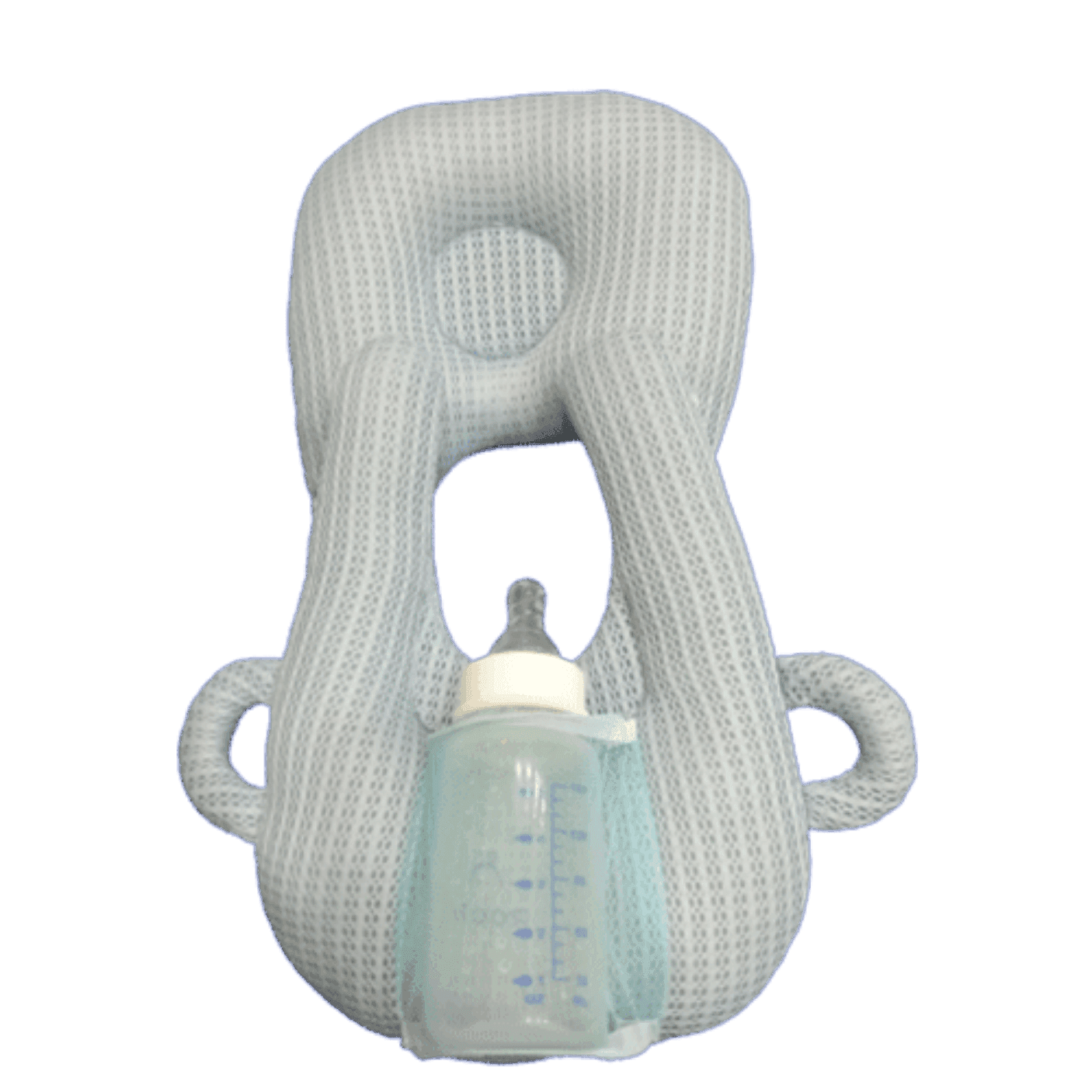
Long feeding sessions add up — several times a day, every day, for months. A cushion that holds your baby at a comfortable height changes how your shoulders, back, and wrists feel by the end of the day, especially if you are feeding while sitting on a bed or floor seating common in many homes.
It is not just about your comfort either. A well-shaped cushion helps position baby at a stable angle for feeding, which many mothers find reduces slipping and the constant re-adjusting that interrupts a feed.
Think of it less as an accessory and more as daily equipment, similar to how you'd weigh up a good feeding bottle setup — something chosen to actually fit your body and your baby's stage. When you start comparing options, the feeding cushion range is a practical place to look.
Shape and firmness: the first real decision
Feeding cushions generally come in curved (C-shaped or U-shaped) designs versus straight bolster-style ones. Curved shapes wrap around your torso and tend to stay in place better, which matters if you feed one-handed while doing something else with the other.
Firmness is the detail parents underestimate. Too soft, and the cushion sinks under baby's weight, dropping them lower than intended. Too firm, and it can feel uncomfortable against your torso during long sessions. A medium-firm fill that holds its shape after repeated use is usually the more comfortable middle ground.
If you're deciding between a feeding cushion and just using rolled-up regular pillows, the difference shows up over weeks — a dedicated cushion holds its shape far longer under daily pressure.
Cover fabric: what to actually check
Since this touches your baby's face, hands, and your skin multiple times a day, a soft, breathable outer fabric matters more than any print or color. Look for a cover that feels smooth against skin and is not stiff or plasticky.
A removable, washable cover is genuinely important — feeding sessions involve spit-up, milk drips, and general daily mess. A cushion you can wipe down or wash regularly stays fresher and more hygienic than one with a fixed cover.
Gentle wash recommended; dry in shade for longer-lasting softness is a good general rule for most baby textiles, feeding cushions included, so the fabric doesn't stiffen or fade with repeated washing.
Fit for how and where you actually feed
Consider where you feed most often — a bed, a low sofa, or floor seating on a charpai or mattress. A cushion that works well propped against a headboard may feel too high or unstable on floor seating. If you move between rooms through the day, a lighter, easier-to-carry cushion saves effort.
In joint-family homes, feeding often happens in shared spaces, not always in the same spot. A cushion that's easy to reposition quickly, without needing to refluff or reshape it each time, fits real routines better than one that needs constant adjustment.
If you're building a full routine setup, it helps to think of the cushion alongside your other daily feeding items — bottles, bibs, and storage. Our related read on Food Bag vs Bottle Case covers how to think about the outings side of feeding gear.
Weather and practical daily care in Pakistan
Karachi's humidity means a feeding cushion pressed against your body for long sessions can feel warm and slightly damp by the end of a feed — a breathable cover fabric makes a real difference here. In Punjab's peak summer heat, the same applies, and washing the cover more frequently helps it stay fresh.
Winters in the north bring their own consideration: a cushion that's easy to wash and dries fully before the next use matters when air-drying takes longer in cooler, damper weather. Keeping a spare cover, if available, or washing early in the day helps avoid using a still-damp cushion.
Load-shedding evenings without a fan can make any prolonged, close-contact feeding session warmer than usual — lighter, breathable fill and covers help here just as they do with swaddle fabric choices, a topic we cover in more depth in Best Swaddle Fabrics for Pakistani Summers.
How to judge quality before you buy
Check the seams and edges first — a cushion that's well-finished won't have loose threads or fill bunching unevenly in one section after normal handling. Fill that stays evenly distributed after a gentle press is a good sign it will hold shape over months of use.
Ask, over WhatsApp if needed, how the cushion holds up after repeated washing — a reasonable seller will tell you honestly rather than oversell durability claims. This is a fair, normal question and any store confident in its product should welcome it.
What to skip when choosing
Skip cushions with elaborate embellishments, sequins, or decorative attachments near the feeding area — anything that could scratch a baby's face or be a texture irritant isn't worth the aesthetic. Simple, smooth covers age better and stay safer for close contact.
Avoid oversized cushions if your feeding space is small or shared — a cushion that's difficult to store or awkward to carry between rooms tends to get used less over time, regardless of how well-designed it is.
Don't buy on print or color alone. It's an easy trap when browsing on mobile, but shape, firmness, and fabric are what you'll actually feel every single day.
Frequently asked questions
- What size feeding cushion is best for a newborn versus an older baby?
The catalog doesn't list fixed age-sizing, and needs change as your baby grows and feeding positions shift. It's best to choose based on the shape and firmness that supports your current feeding posture, and reassess as your baby gets bigger.
- Can a feeding cushion double as a support pillow for tummy time or sitting practice?
A feeding cushion isn't designed for tummy time or propping, and we'd caution against using it that way — a baby can shift into a position that restricts breathing. Never use it for unsupervised positioning, and never let your baby sleep on it, even for a moment. Tummy time is safest done flat on the floor with you right beside your baby the whole time; if you're unsure what's appropriate for your baby's stage, check with your pediatrician.
- How often should I wash the feeding cushion cover?
Given daily spit-up and milk contact, washing the cover regularly — every few days or sooner if visibly soiled — keeps it hygienic. Gentle wash and shade-drying helps the fabric stay soft longer.
- Is a firmer or softer cushion better for long feeding sessions?
A medium-firm fill that holds its shape under baby's weight is generally more comfortable and supportive than a very soft cushion, which can sink and lower baby's position during a feed.
- Do I need more than one feeding cushion at home?
Not necessarily. Most families do fine with one good-quality cushion, though if you feed in more than one regular spot — like a bedroom and a living area — a second one can save you from carrying it around.
Pieces mentioned here
Keep reading
Feeding
What Food Containers Are Safe for Storing Baby Food and Purees?
A practical guide to choosing safe, easy-to-clean containers for homemade baby purees, batch cooking, and daily feeding in Pakistani kitchens.
Buying Guide
Are Dino and Deer Print Bodysuits Safe and Comfortable for My Baby?
What makes printed bodysuits safe for babies in Pakistan's climate—fabric quality and care matter more than the cute design.